
Maasai Mara National Reserve

Maasai Mara National Reserve
 Maasai Mara National Reserve • Image 2
 Maasai Mara National Reserve • Image 3
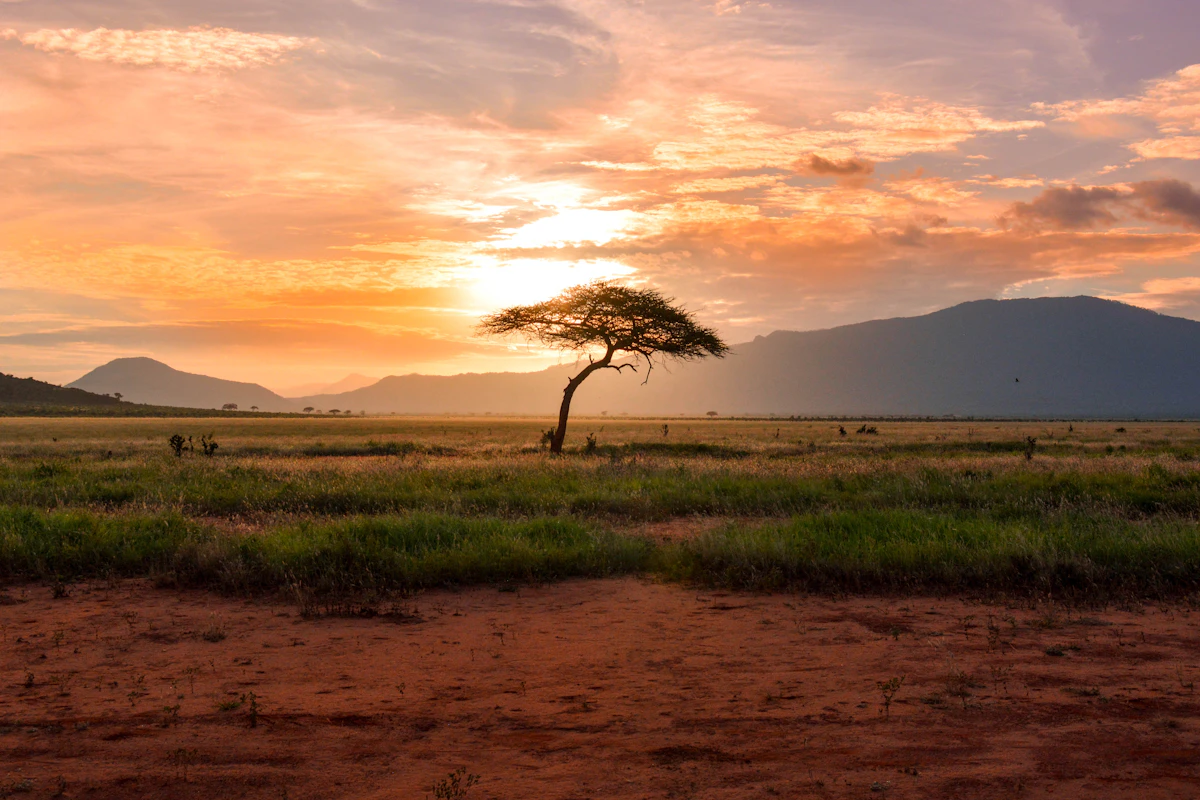 Maasai Mara National Reserve • Image 4
Mara airstrips (fly-in); gateway Jomo Kenyatta International Airport (NBO) and Wilson Airport (WIL)
Kenya
Warm by day and cool at night and early morning, so bring layers
Year-round travel
Wildebeest (well over a million in the migration)
14 key species listed
3 to 5 Nights
Tailored itinerary
July to October for the migration and river crossings
High & Green seasons
About Maasai Mara National Reserve & Destination Guide
Maasai Mara National Reserve in south-western Kenya is the best known wildlife area in the country and the Kenyan end of the wildebeest migration. It suits first-time safari guests, families and photographers who want big cats on open grassland, and it is the usual choice for a classic Kenya safari.
A game drive day starts at sunrise and returns for a late breakfast, with a second drive in the late afternoon. Lions, cheetahs and leopards are seen on most days, along with elephants, giraffes and large herds of zebra. Some guests add a sunrise hot-air balloon flight [ADD: balloon operator and price].
The honest trade-off is crowds in the migration months. The herds usually arrive around July and leave around October, and the river crossings can draw many vehicles. Private conservancies next to the reserve limit vehicle numbers and allow night drives and walks, but cost more. Pick the area for your month.
Most guests fly from Nairobi to a Mara airstrip, which takes under an hour, or drive for most of a day. A Mara safari fits well before a flight from Nairobi to Zanzibar for a week on the beach (direct flights take about 1 hour 30 minutes).
Getting Here, Transport & Climate
Fly from Nairobi (Wilson Airport) to an airstrip in the Mara, or drive from Nairobi, which takes most of a day on rough roads (the drive takes about 5 to 6 hours; the flight takes about 45 minutes). Flights from Nairobi to Zanzibar can follow the safari. See the Maasai Mara safari tours.
Overland travel in customized Toyota Land Cruisers featuring pop-up roofs for 360° wildlife viewing, USB charging sockets, high-clearance suspension, and a cooler with chilled bottled water.
exploreMaasai Mara National Reserve Interactive Map & Terrain
Explore the geographic coordinates, boundaries, local airstrips, and surrounding wilderness circuits of Maasai Mara National Reserve.
Weather, Climate & Seasonal Advice
July to October for the migration and river crossings. January and February are dry and good for big cats. The long rains from April to May are the quietest. The guide for your month lives on the migration guide page.
Warm by day and cool at night and early morning, so bring layers. The drier months are June to October and January to February. The long rains fall from March to May and the short rains in November and December.
Highlights & Wildlife in Maasai Mara National Reserve
petsKey Wildlife & Marine Species
Signature Highlights
The Great Migration: wildebeest and zebra crossing the Mara River from about July to October
Lions, cheetahs and leopards on open grassland
Hot-air balloon flights at sunrise
Maasai culture and village visits near the reserve
Private conservancies with fewer vehicles
Rock outcrops and acacia plains made famous by wildlife films
Activities & Things to Do in Maasai Mara National Reserve
Masai Mara Game Drive
A game drive day in the Masai Mara starts at sunrise and returns to camp for a late breakfast, with a second drive in the late afternoon. Lions, cheetahs and leopards are seen on most days, along with elephants, giraffes and large herds of zebra on open grassland. From about July to October the migration herds cross the Mara River, and the crossing sites can draw many vehicles. Private conservancies next to the reserve have fewer vehicles but cost more. Sightings are never guaranteed.
Featured Safaris & Tours in Maasai Mara National Reserve
Explore our custom travel itineraries for Maasai Mara National Reserve
Request Custom ItineraryFrequently asked questions
What is the best time to visit Maasai Mara National Reserve?
expand_more
July to October for the migration and river crossings. January and February are dry and good for big cats. The long rains from April to May are the quietest. The guide for your month lives on the migration guide page.
How do I get to Maasai Mara National Reserve?
expand_more
Fly from Nairobi (Wilson Airport) to an airstrip in the Mara, or drive from Nairobi, which takes most of a day on rough roads (the drive takes about 5 to 6 hours; the flight takes about 45 minutes). Flights from Nairobi to Zanzibar can follow the safari. See the Maasai Mara safari tours.
What is the weather like in Maasai Mara National Reserve?
expand_more
Warm by day and cool at night and early morning, so bring layers. The drier months are June to October and January to February. The long rains fall from March to May and the short rains in November and December.
What can I see and do in Maasai Mara National Reserve?
expand_more
• The Great Migration: wildebeest and zebra crossing the Mara River from about July to October • Lions, cheetahs and leopards on open grassland • Hot-air balloon flights at sunrise • Maasai culture and village visits near the reserve • Private conservancies with fewer vehicles • Rock outcrops and acacia plains made famous by wildlife films
What should I pack for Maasai Mara National Reserve?
expand_more
Neutral colours such as khaki, olive or light brown, and avoid bright colours, black and dark blue. Bring a fleece or light jacket for cool early morning game drives, a sun hat, sunglasses, sunscreen, insect repellent, sturdy walking shoes and binoculars if you have them. Soft bags are easier than hard suitcases for small bush flights and vehicles.
What wildlife can I see in Maasai Mara National Reserve?
expand_more
Wildebeest (well over a million in the migration), zebra, lion, cheetah, leopard, elephant, giraffe, buffalo, hippo, crocodile, black rhino (rare), spotted hyena, topi, gazelles and over 400 bird species.