
Ngorongoro Conservation Area

Ngorongoro Conservation Area
 Ngorongoro Conservation Area • Image 2
 Ngorongoro Conservation Area • Image 3
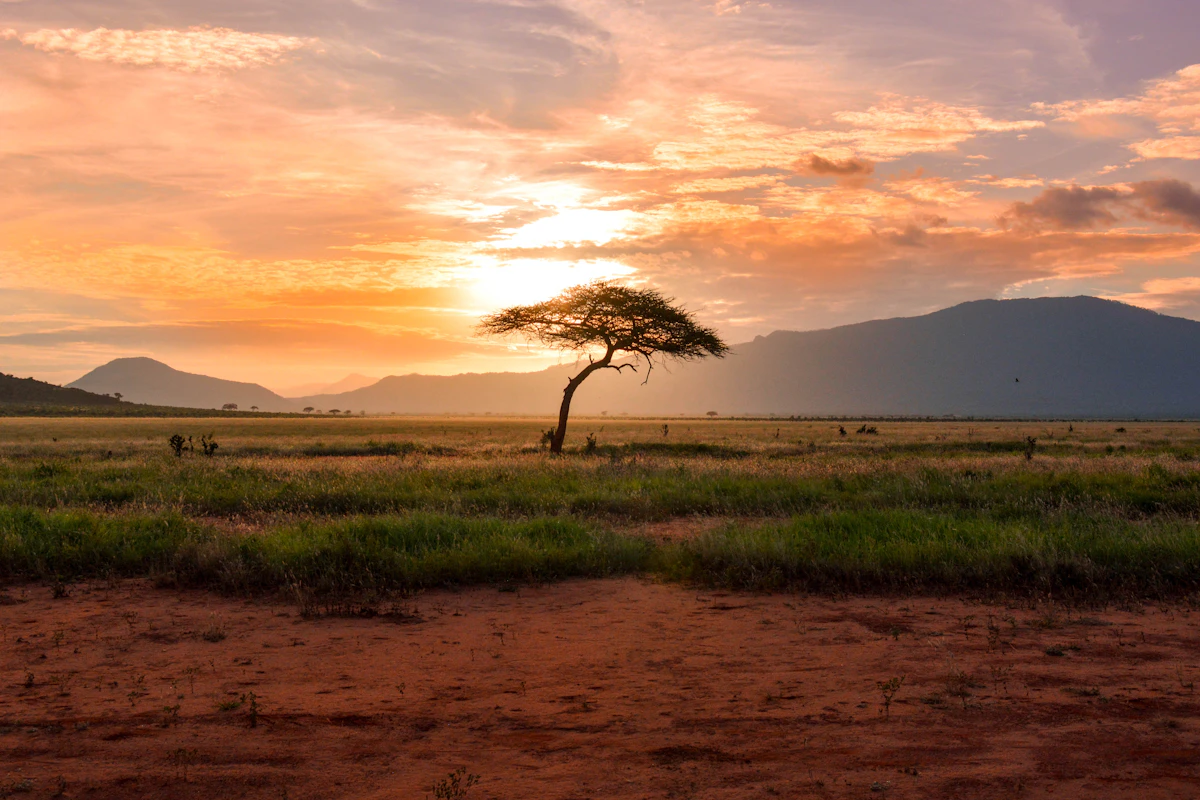 Ngorongoro Conservation Area • Image 4
Kilimanjaro International Airport (JRO); Lake Manyara and Ndutu airstrips nearby
Tanzania
Cool because of the altitude
Year-round travel
Lion
10 key species listed
3 to 5 Nights
Tailored itinerary
Wildlife is on the crater floor all year, and the dry months from June to October are easiest
High & Green seasons
About Ngorongoro Conservation Area & Destination Guide
Ngorongoro Conservation Area is a protected area, not a national park, and its crater is one of the best places in Africa to see wildlife in one day. It suits first-time safari guests, short trips and anyone who wants a high chance of seeing lions, hippos and black rhino.
The day starts with a steep drive down the crater wall in the early morning. On the crater floor you drive across grassland, a soda lake and forest, with elephants, buffalo and zebra in view, and you picnic by a hippo pool. You drive back up before the afternoon traffic.
The trade-off is crowds. The crater is small compared with the Serengeti and many vehicles go down at the same time, so an early start helps. Time on the crater floor is limited to about six hours. Maasai herders also live in the conservation area and share the land with wildlife.
Ngorongoro sits between Lake Manyara and the Serengeti, so it fits most northern circuit trips. Many guests finish the safari with a flight to Zanzibar (direct flights take about 1 hour 10 minutes). Olduvai Gorge, a famous early human site, is also in the area.
Getting Here, Transport & Climate
Ngorongoro is about a half day's drive from Arusha on a good road. It lies on the usual road between Lake Manyara and the Serengeti. See the northern circuit safari tours.
Overland travel in customized Toyota Land Cruisers featuring pop-up roofs for 360° wildlife viewing, USB charging sockets, high-clearance suspension, and a cooler with chilled bottled water.
exploreNgorongoro Conservation Area Interactive Map & Terrain
Explore the geographic coordinates, boundaries, local airstrips, and surrounding wilderness circuits of Ngorongoro Conservation Area.
Weather, Climate & Seasonal Advice
Wildlife is on the crater floor all year, and the dry months from June to October are easiest. Go early to avoid the traffic. Rain makes the crater road slippery from March to May.
Cool because of the altitude. The crater rim is cold in the morning and often misty, so bring warm layers. The dry months are June to October. The long rains fall from March to May.
Highlights & Wildlife in Ngorongoro Conservation Area
petsKey Wildlife & Marine Species
Signature Highlights
Ngorongoro Crater: a huge volcanic caldera with wildlife on its floor
Black rhino, lions and big tusked elephants
Lake Magadi: a soda lake with flamingos in some seasons
Picnic by the hippo pool
Olduvai Gorge: a famous site for early human fossils
Empakaai Crater and walks on the highlands
Maasai culture in the conservation area
Activities & Things to Do in Ngorongoro Conservation Area
Ngorongoro Crater Tour
The day starts with a steep drive down the crater wall in the early morning. On the crater floor you cross grassland, a soda lake and forest, with elephants, buffalo and zebra in view, and a good chance of lions, hippos and black rhino. You picnic by a hippo pool. You drive back up before the afternoon traffic. The crater is small compared with the Serengeti and many vehicles go down at once, so an early start helps. Wildlife is never guaranteed.
Featured Safaris & Tours in Ngorongoro Conservation Area
Explore our custom travel itineraries for Ngorongoro Conservation Area
Request Custom ItineraryFrequently asked questions
What is the best time to visit Ngorongoro Conservation Area?
expand_more
Wildlife is on the crater floor all year, and the dry months from June to October are easiest. Go early to avoid the traffic. Rain makes the crater road slippery from March to May.
How do I get to Ngorongoro Conservation Area?
expand_more
Ngorongoro is about a half day's drive from Arusha on a good road. It lies on the usual road between Lake Manyara and the Serengeti. See the northern circuit safari tours.
What is the weather like in Ngorongoro Conservation Area?
expand_more
Cool because of the altitude. The crater rim is cold in the morning and often misty, so bring warm layers. The dry months are June to October. The long rains fall from March to May.
What can I see and do in Ngorongoro Conservation Area?
expand_more
• Ngorongoro Crater: a huge volcanic caldera with wildlife on its floor • Black rhino, lions and big tusked elephants • Lake Magadi: a soda lake with flamingos in some seasons • Picnic by the hippo pool • Olduvai Gorge: a famous site for early human fossils • Empakaai Crater and walks on the highlands • Maasai culture in the conservation area
What should I pack for Ngorongoro Conservation Area?
expand_more
Neutral colours such as khaki, olive or light brown, and avoid bright colours, black and dark blue. Bring a fleece or light jacket for cool early morning game drives, a sun hat, sunglasses, sunscreen, insect repellent, sturdy walking shoes and binoculars if you have them. Soft bags are easier than hard suitcases for small bush flights and vehicles.
What wildlife can I see in Ngorongoro Conservation Area?
expand_more
Lion, black rhino, spotted hyena, elephant, buffalo, hippo, zebra, wildebeest, gazelles, flamingos and many other birds. Giraffes do not live on the crater floor.